Steven Smith helmet blow has led to his absence in South Africa’s second innings, raising concerns about player safety and team strategy moving forward.
Impact of Helmet Safety in Cricket
The recent incident involving Steven Smith highlights significant concerns regarding helmet safety in cricket. Following the severe helmet blow he sustained, Smith was forced to sit out South Africa’s second innings, raising questions about player safety and the effectiveness of protective gear.
Helmets are designed to absorb impact, yet recent injuries reveal that even the best equipment can fail to fully protect players from serious harm. The impact of helmet safety extends beyond individual players; it influences team strategy and game dynamics. Coaches and players must adapt their tactics when key players are sidelined due to injury.
Moreover, the cricket community is calling for improved helmet standards and innovations to ensure player safety. Some of the key considerations include:
- Enhancing shock absorption technology
- Implementing stricter safety regulations
- Encouraging regular equipment reviews
As the sport evolves, prioritizing player safety must remain at the forefront of cricket’s development.
Analysis of South Africa’s Performance
South Africa’s performance in the current match has been significantly impacted by the unfortunate incident involving Steven Smith and his helmet blow. With Smith sitting out South Africa’s second innings, the team was forced to adapt its strategy on the fly. The absence of a key player like Smith created a gap in both the batting lineup and the overall morale of the team.
The South African bowlers took advantage of the situation, displaying a mix of aggression and precision. Their ability to exploit the uncertainty created by Smith’s injury led to crucial breakthroughs. Notably, the following factors contributed to their success:
- Increased Pressure: The absence of a seasoned batsman raised the stakes for the remaining players.
- Strategic Bowling Changes: Bowlers were able to capitalize on the weakened batting order.
- Psychological Edge: The knowledge of Smith’s helmet blow gave the bowlers an extra boost of confidence.
Ultimately, South Africa’s adaptability in the face of adversity has underscored the unpredictable nature of the game.
Injury Updates on Key Players
In the wake of the recent Steven Smith helmet blow, several other key players are also facing injury concerns, which could significantly shape the strategies of their respective teams. Smith’s absence from South Africa’s second innings raises questions about the team’s batting lineup and overall performance.
Additionally, other players have been affected by various injuries, leading to uncertainty in the squad selections. The following updates provide a brief overview of the current situation:
- Player A: Suffered a minor strain and is doubtful for the next match.
- Player B: Underwent a precautionary scan due to a knee issue, results pending.
- Player C: Recently recovered from an ankle injury but is still not at full fitness.
As teams adapt to these changes, the tactical approaches will need to be recalibrated, potentially affecting the outcome of upcoming matches in the series.
Historical Context of Cricket Injuries
Cricket has a long history of injuries, with players facing various hazards on the field. Over the years, there have been significant developments in player safety, particularly concerning head injuries. The recent incident involving Steven Smith and his helmet blow has reignited discussions about the effectiveness of safety equipment used by batsmen.
In the past, players often played without adequate protection, leading to severe injuries that could impact their careers. The introduction of helmets in the late 1970s marked a turning point, but even today, the risk of concussions remains a serious concern. High-profile cases, such as those of Phillip Hughes and Ramakrishnan Sridhar, have highlighted the potential dangers players face.
As teams adapt their strategies in light of injuries, the importance of robust safety measures cannot be overstated. The cricket community continues to seek advancements in helmet technology to better protect players like Smith, ensuring that the game remains competitive while prioritizing health and safety.
Team Strategy Without Smith
The absence of Steven Smith due to the helmet blow has forced Australia to rethink their game strategy significantly. With one of their key batsmen sidelined, the pressure mounts on the remaining players to adapt quickly to the changing dynamics of the match.
Coach and players have expressed concern about how to fill the void left by Smith. Strategies previously centered around his batting style now require adjustments. Key areas of focus include:
- Middle Order Resilience: The team must ensure that the middle order is fortified to handle the pressure.
- Strike Rotation: Players need to be more vigilant in rotating the strike to keep the scoreboard ticking.
- Bowling Strategy: A shift in focus towards aggressive bowling tactics may become essential to compensate for a potentially lower batting score.
As the match progresses, the team will have to rely on their adaptability to overcome the challenges posed by the absence of Smith and perform effectively in his stead.
Reactions from Fans and Analysts
Fans and analysts have taken to social media to express their concerns following the news of Steven Smith’s helmet blow. The incident has sparked a heated discussion on the implications of player safety and the effectiveness of current helmet technology in cricket.
Many supporters of the Australian team voiced their worries about the long-term effects of such injuries. One fan tweeted, “It’s terrifying to think how a single helmet blow can change the course of a player’s career.” Meanwhile, analysts pointed out that Smith’s absence could significantly alter the team’s dynamics, especially in crucial matches.
Former players chimed in, suggesting that the incident might lead to a reevaluation of helmet designs. “We need to ensure our players are protected at all costs,” one former cricketer remarked. This incident has not only highlighted the risks players face on the field but has also raised questions about how teams will adjust their strategies in the absence of a key player like Smith.
- Concern over player safety
- Calls for helmet design improvements
- Impact on team strategy
Upcoming Matches for South Africa
As South Africa prepares for their upcoming matches, the absence of Steven Smith due to the helmet blow raises concerns about strategic adjustments. The team will face a series of critical fixtures that could influence their position in the tournament.
The upcoming matches include:
- First Test against England – Scheduled for next week, this match will be crucial for both teams as they vie for supremacy.
- One Day International series against New Zealand – This series will test South Africa’s adaptability in shorter formats of the game.
- Final Test against Australia – Given the historical rivalry, this match will be pivotal, especially in the absence of key players like Smith.
With Smith sidelined, South Africa must strategize effectively to fill the gap left by his absence. The impact of the Steven Smith helmet blow could resonate throughout the series, challenging the team’s depth and resilience. Fans and analysts alike will be watching closely to see how the squad responds.
Future of Helmet Technology in Cricket
The recent incident involving Steven Smith and his helmet blow has reignited discussions about the future of helmet technology in cricket. As players face increasing speeds and bouncers, the need for improved protective gear has never been more critical.
Current helmets, while providing a level of protection, often fall short against high-impact blows. Experts suggest several advancements that could significantly enhance player safety:
- Enhanced Padding: Utilizing advanced materials that absorb and dissipate impact more effectively.
- Improved Design: Creating helmets that better fit the contours of a player’s head, minimizing movement during play.
- Smart Technology: Integrating sensors that monitor impacts and alert medical staff to potential injuries.
As the sport evolves, the focus on safety must keep pace with the athleticism and aggression seen on the field. The unfortunate helmet blow to Steven Smith serves as a stark reminder of the vulnerabilities players face and the urgent need for innovation in helmet design.
The Steven Smith helmet blow has raised concerns about player safety and its implications for team strategy. Coaches are now reevaluating their game plans in light of the potential risks associated with similar injuries following the Steven Smith helmet blow.
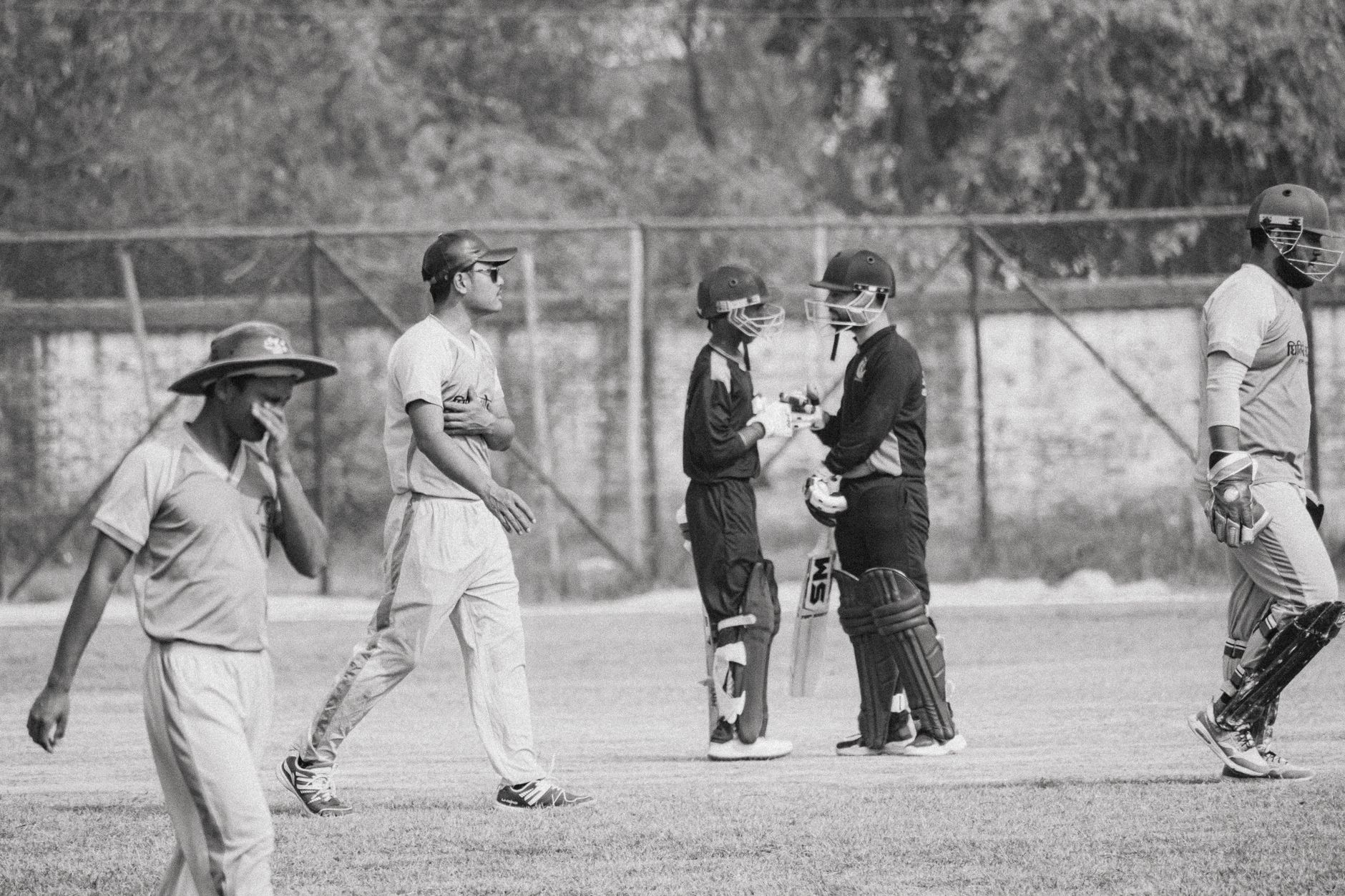
Photo by kabita Darlami on Pexels