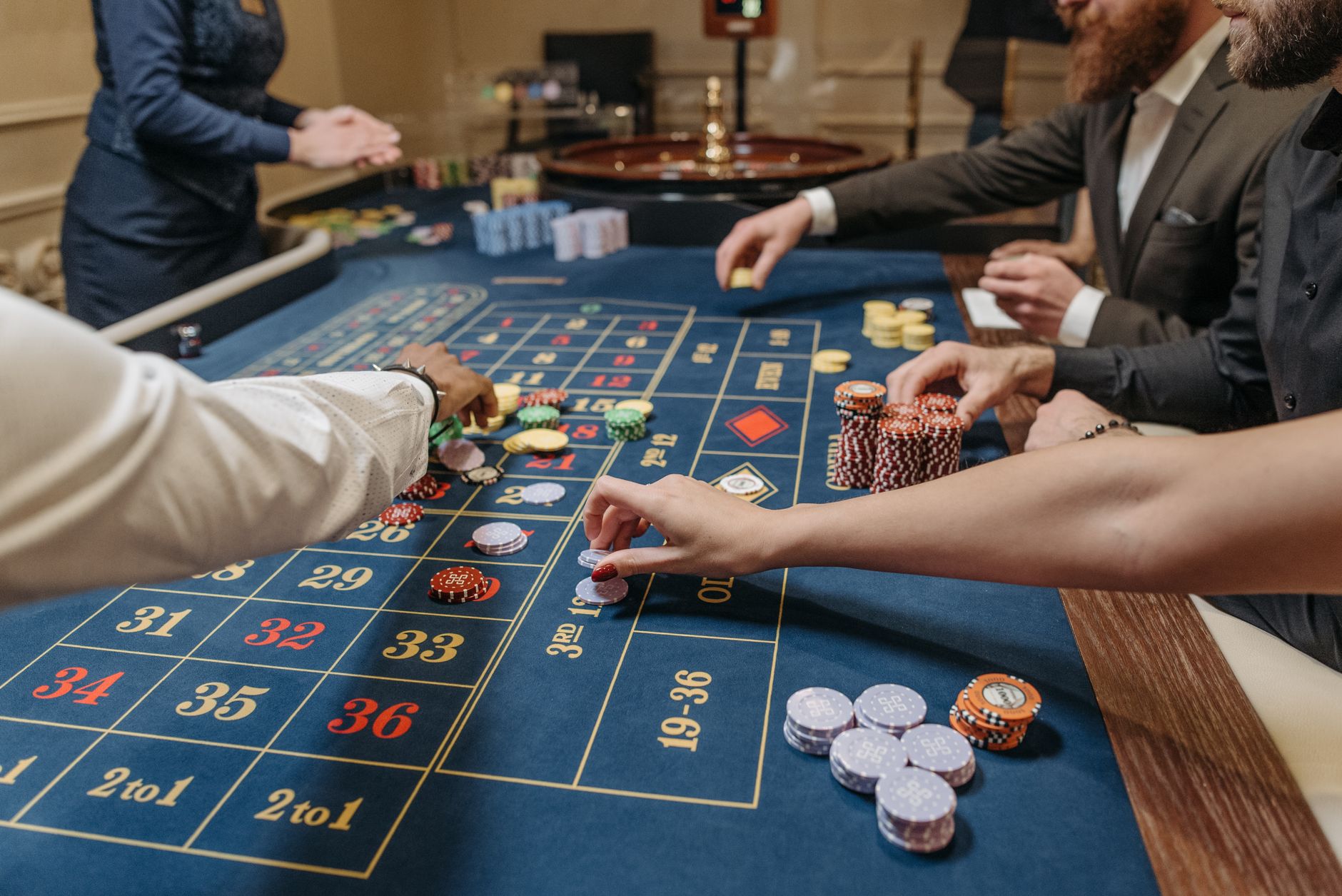
Dutch gambling licences are essential for regulated operators in the Netherlands. Recently, eight renewals were approved, signaling a positive trend in the gambling sector.
Understanding Dutch Gambling Licences
Dutch gambling licences play a crucial role in regulating the gaming industry in the Netherlands. These licences ensure that operators adhere to strict guidelines aimed at promoting fair play, protecting consumers, and preventing gambling addiction. In 2023, the Dutch Gaming Authority has approved eight renewals, highlighting the ongoing commitment to maintaining a secure and responsible gaming environment.
Each renewal process involves a thorough review of the operator’s practices, financial stability, and compliance with Dutch laws. This rigorous assessment is essential in determining whether a company can continue to operate legally within the country. The renewed licences reflect a growing confidence in the regulated gambling market and are expected to enhance player safety.
Key aspects of the Dutch gambling licences include:
- Consumer Protection: Emphasis on safeguarding players’ rights and ensuring transparent operations.
- Responsible Gambling: Operators must implement measures to promote responsible gambling habits.
- Tax Compliance: Licensed operators are subject to taxation, contributing to the national economy.
As the landscape of Dutch gambling continues to evolve, these renewals signify a positive trajectory for both operators and players alike.
Impact of Licence Renewals
The recent approval of several Dutch gambling licences has significant implications for both the gaming industry and consumers in the Netherlands. These renewals are crucial as they ensure that operators adhere to strict regulations aimed at promoting responsible gaming and protecting players.
One of the primary impacts of these licence renewals is the enhancement of consumer trust. With licensed operators required to meet high standards of fairness and transparency, players can feel more secure in their gaming choices. This trust is vital for fostering a healthy gaming environment where users are less likely to encounter fraudulent activities.
Moreover, the renewed licences contribute to the government’s revenue through taxation. As more companies operate legally under the Dutch gambling framework, the state benefits from increased fiscal income, which can be allocated to public services and initiatives aimed at problem gambling prevention.
Additionally, the competition among licensed operators is expected to increase, leading to improved gaming experiences. Players may see enhanced bonuses, innovative game offerings, and better customer support as companies strive to attract and retain users.
In summary, the impact of the recent Dutch gambling licences renewals extends beyond compliance; it strengthens player protection, boosts government revenue, and enhances competition within the market.
What Operators Need to Know
As the landscape of online gaming continues to evolve, operators looking to secure Dutch gambling licences should be aware of several key factors. The recent approval of eight licence renewals marks a significant milestone, but it also brings new responsibilities and compliance requirements.
Operators must ensure they adhere to the guidelines set forth by the Kansspelautoriteit (KSA), the regulatory authority in the Netherlands. This includes maintaining high standards of player protection, responsible gaming practices, and data security. Failure to comply could result in penalties or even the revocation of their licence.
Additionally, operators should stay informed about updates to regulations that may affect their operations. These may include changes in taxation, advertising restrictions, and measures aimed at preventing gambling addiction.
To successfully navigate the renewal process, operators are advised to:
- Conduct a thorough review of their current compliance status.
- Engage with legal experts familiar with Dutch gaming laws.
- Implement robust systems for tracking and reporting player data.
By focusing on these areas, operators can position themselves for success in the competitive Dutch market.
Future of Gambling in the Netherlands
The future of gambling in the Netherlands looks promising as the regulatory landscape continues to evolve. With the recent approval of several Dutch gambling licences, operators are now better positioned to offer safe and responsible gaming experiences. This development not only enhances the overall market dynamics but also fosters consumer trust.
Key factors influencing the future of the gambling sector include:
- Innovation in Gaming Technology: Operators are investing in advanced technologies to enhance user experiences.
- Focus on Responsible Gambling: Increased emphasis on responsible gambling practices ensures player safety and well-being.
- Regulatory Adjustments: Continuous updates to legislation may lead to more flexible licensing frameworks, encouraging further market participation.
The recent renewals of Dutch gambling licences signal a commitment to maintaining a robust regulatory environment. This approach not only benefits the operators but also safeguards players against potential risks associated with unregulated gambling.
As the industry moves forward, collaboration between regulators and operators will be crucial in shaping a sustainable and vibrant gambling market in the Netherlands.
Photo by MART PRODUCTION on Pexels
Sources
Related stories
Atletico Madrid derby win: A Proven Strategy for Success · Asian Games boxing schedule: What are the best results? · Gabriel Future: The Right Steps for Man United’s Success