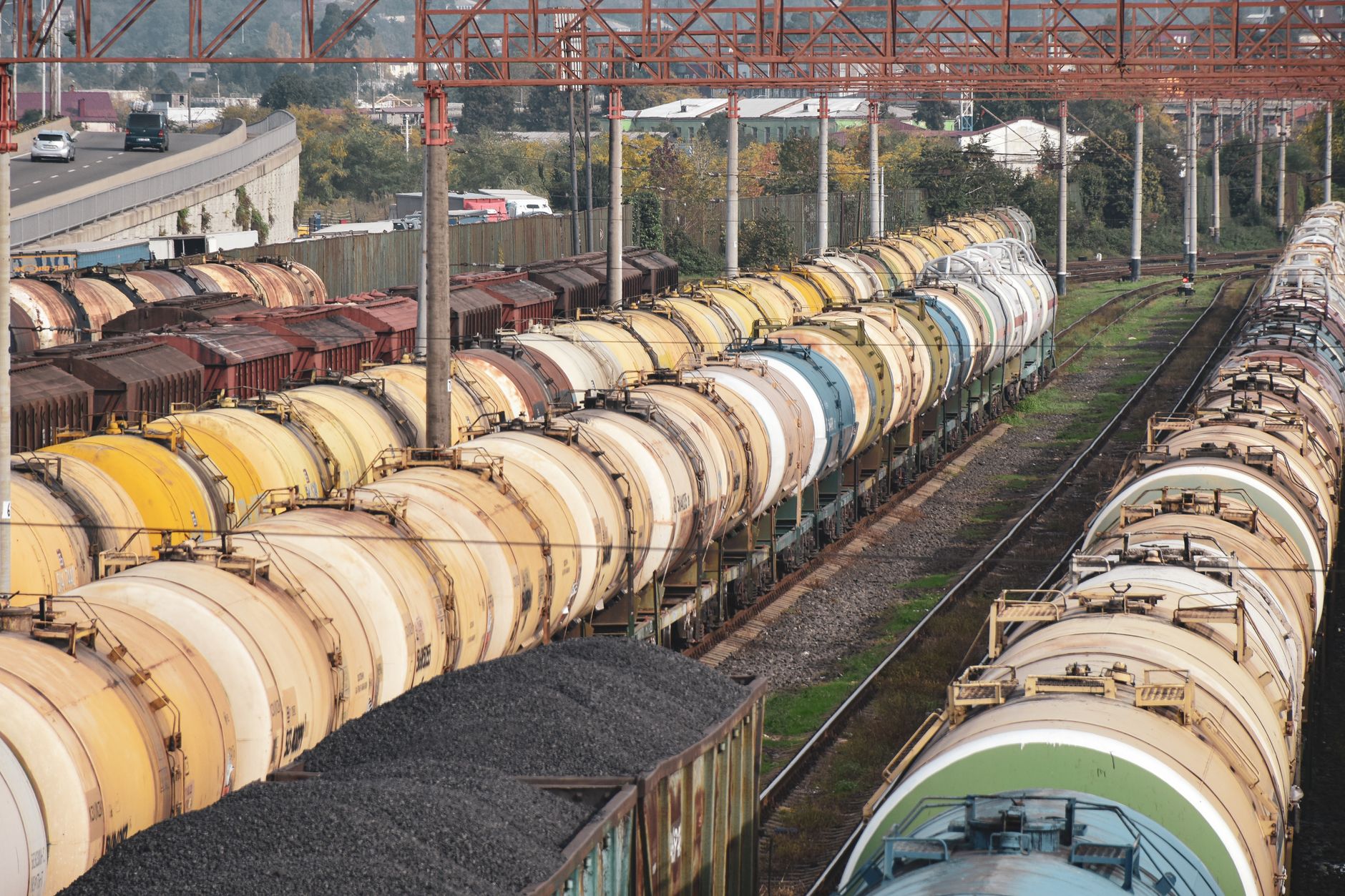
Coal rail shipments are ramping up in India as power plant stocks dwindle, highlighting the urgent need for energy solutions. This surge aims to address the growing energy demand amid concerns over supply shortages.
Current State of Coal Rail Shipments
As India’s power crisis deepens, the current state of coal rail shipments has become a pivotal factor in addressing the energy shortfall. With power plant stocks dwindling, the government has intensified efforts to enhance coal transportation via railways. This strategy aims to ensure that power plants receive adequate coal supplies to meet the rising demand.
Recent data indicates a significant increase in coal rail shipments across the country. Key developments include:
- Increased Freight Capacity: Railways are prioritizing coal transportation, allocating more wagons and resources to expedite deliveries.
- Strategic Partnerships: Collaboration between coal companies and rail authorities has improved logistics and reduced transit times.
- Monitoring Supply Levels: Authorities are closely tracking coal stocks at power plants to ensure timely replenishment.
While coal rail shipments are seen as a short-term solution, their effectiveness will depend on sustained efforts to balance supply and demand in the power sector.
Impact on Power Plant Operations
The surge in coal rail shipments is significantly influencing the operational capabilities of power plants across India. As coal stocks dwindle, power generation facilities are increasingly reliant on efficient transportation to maintain energy output. The timely delivery of coal is essential for these plants to function optimally, especially during peak demand periods.
Many power plants have reported operational challenges due to inconsistent coal supply, which has led to:
- Increased Downtime: Facilities are forced to reduce output or temporarily shut down due to a lack of coal.
- Higher Operational Costs: Power plants incur additional expenses when sourcing coal from alternative suppliers.
- Regulatory Concerns: Inability to meet energy demands can lead to penalties from regulatory bodies.
With the government’s push to enhance coal rail shipments, stakeholders hope to stabilize supply chains, ensuring that power plants can deliver consistent electricity to meet the country’s growing needs.
Government Response to Energy Demand
The Indian government has ramped up efforts to address the ongoing power crisis, which has been exacerbated by dwindling coal stocks at power plants. In response, authorities have prioritized coal rail shipments to ensure a steady supply of fuel to meet the surging energy demand across the country.
According to officials, the distribution of coal has been significantly improved through enhanced logistics and coordination between railways and coal companies. This initiative aims to minimize disruptions in power generation and stabilize the energy supply. Key measures include:
- Increased railway capacity: Expanding the number of trains dedicated to coal transportation.
- Streamlined processes: Reducing wait times for loading and unloading at coal mines and power plants.
- Monitoring systems: Implementing real-time tracking to optimize coal delivery schedules.
These steps are vital as the government seeks to ensure that coal rail shipments can effectively support the nation’s energy needs during this critical period.
Future of India’s Energy Supply
The future of India’s energy supply hinges on the balance between coal rail shipments and sustainable alternatives. As the country faces ongoing power shortages, increasing reliance on coal has become a contentious issue. While coal rail shipments are essential for maintaining energy generation, they also pose environmental challenges that cannot be overlooked.
To address these challenges, the government is exploring options to diversify energy sources. Renewable energy such as solar and wind power is being prioritized to reduce dependency on coal. However, the transition will take time, and in the short term, coal rail shipments remain a critical lifeline for power generation.
Moreover, the efficiency of logistics and transportation will play a crucial role in ensuring that coal reaches power plants in a timely manner. Investment in infrastructure and technology is essential to optimize supply chains and minimize disruptions, ultimately shaping the future energy landscape of India.
Photo by Artem Makarov on Pexels